Loading...
Serving Delray Beach, FL and surrounding areas. (561) 668-0751
Delray Beach Concrete & Masonry is a masonry contractor serving Palm Springs, FL, specializing in stone masonry, CBS block repair, and masonry restoration on the postwar ranch homes and older properties throughout this small Palm Beach County village. We have been working in this area since 2015 and understand the flat drainage conditions, aging concrete block construction, and UV exposure that define masonry work in Palm Springs.
Delray Beach Concrete & Masonry is a masonry contractor serving Palm Springs, FL, specializing in stone masonry, CBS block repair, and masonry restoration on the postwar ranch homes and older properties throughout this small Palm Beach County village. We have been working in this area since 2015 and understand the flat drainage conditions, aging concrete block construction, and UV exposure that define masonry work in Palm Springs.
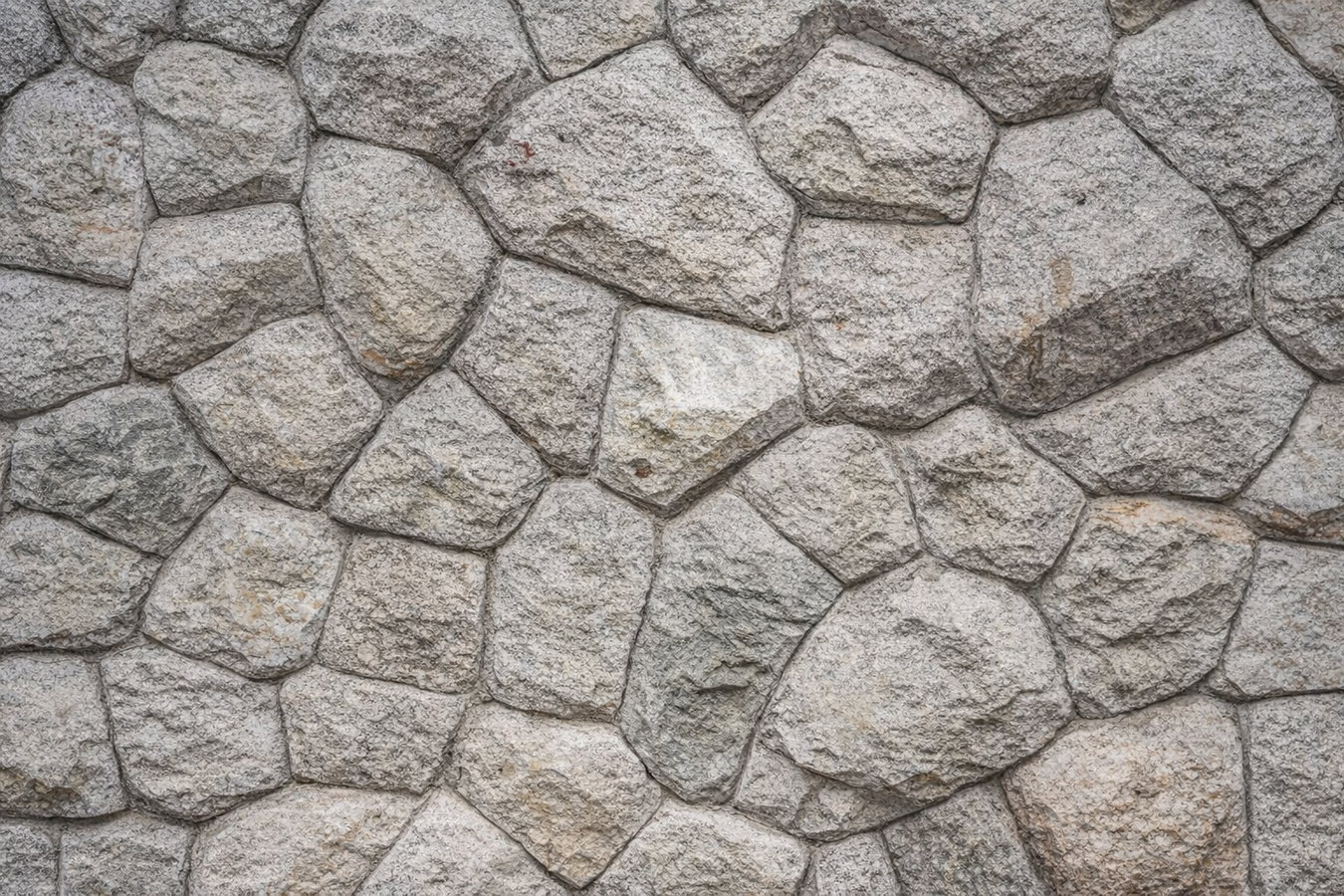
The 1950s through 1980s CBS homes that make up most of Palm Springs have plain concrete block exteriors that many homeowners want to update without a full teardown. Stone veneer applied over existing block adds visual character while preserving the solid substrate underneath - but the block surface has to be properly prepared and primed or the veneer will separate within a few years in South Florida's humidity. We assess the existing wall condition first and tell you honestly whether it is a good candidate before any stone goes up. Learn about stone masonry.
Older block and stucco walls in Palm Springs often show efflorescence - the white, chalky staining that means water is moving through the wall and depositing dissolved salts on the surface. This is common on south- and west-facing walls that take direct afternoon sun and seasonal rain. Restoration work traces that moisture back to its entry point and addresses it before recoating, so the staining does not return the following wet season.
Palm Springs has been through multiple hurricane seasons, and brick features - entry walls, pillar caps, low garden borders - can take damage from wind, flying debris, or the sustained pressure of a tropical storm. We assess damaged brick work after storms and distinguish between sections that need spot repair and sections that need to be rebuilt from the footing. Matching original brick color and texture is part of every repair job.
New concrete block walls in Palm Springs - property perimeter walls, pool surrounds, utility enclosures - require careful base design because the village sits on very flat terrain where water does not drain away quickly after heavy afternoon rain. Block walls built without proper drainage accommodation at the base will develop moisture issues at ground level within a few seasons. We design drainage into every new block wall project from the start.
Palm Springs gets over 230 sunny days per year, and that constant UV exposure breaks down mortar joints in outdoor masonry faster than homeowners typically expect. Mortar that was correctly applied in the 1970s may now be soft, cracked, or partially missing - letting moisture in at every rainy season. Tuckpointing removes deteriorated mortar and packs in fresh material matched to the surrounding work so the joints seal correctly again.
Stone veneer on entry columns, accent walls, and front elevations is one of the most popular exterior updates in Palm Springs because the underlying CBS block provides a ready substrate. The choice between natural stone and manufactured veneer matters here - natural materials generally handle Palm Beach County's coastal humidity better over a 10- to 20-year window. We walk homeowners through the material options and what each means for maintenance and longevity in this climate.
Palm Springs was built out primarily during the 1950s, 1960s, and 1970s, making it one of the older small communities in Palm Beach County. Most homes here are single-story CBS ranch houses - the concrete block and stucco construction that was standard throughout South Florida during the postwar decades. At 50 or more years old, the masonry features on these homes have absorbed a long run of South Florida seasons. The combination of intense UV, heavy summer rain, and the salt air that drifts inland from the Atlantic roughly 5 miles away has worked on mortar joints, stucco, and block surfaces for decades. None of that deterioration is unusual - it is what happens to masonry in this climate over time - but it does mean that repair and restoration work in Palm Springs often involves material that is well past its expected service life.
The village is also notably flat, sitting on the low-lying terrain that covers most of the Palm Beach County interior. That flatness, combined with South Florida's heavy wet season, creates drainage conditions that put masonry at ground level under regular stress. Standing water against a block wall base, water pooling along a paver edge, or moisture accumulating under a slab are all common problems in Palm Springs that a contractor unfamiliar with the area may not anticipate at the design stage. Getting drainage right from the start - before any block or stone is laid - is the difference between masonry that holds up and masonry that needs attention again in three years.
Our crew works throughout Palm Springs regularly, coordinating with the Village of Palm Springs Building Department for permitted masonry and concrete work. Palm Springs is a small village with its own building review process that differs from neighboring West Palm Beach and Lake Worth Beach - knowing which projects require permits here and how the inspection schedule runs saves time and prevents work stoppages.
South Military Trail is the main commercial corridor that most Palm Springs residents know well, and the village's residential streets fan out from there in a tight grid of modest lots. We have worked on homes near the Palm Springs Community Center and throughout the quieter streets toward the Lake Worth Beach border to the south. The housing stock is consistent - single-story ranch homes on small lots, many with original CBS block walls, concrete driveways, and exterior features that have not been touched since the Carter administration. That familiarity with the specific age and condition of masonry in this community is something that comes from working here repeatedly, not from a single project visit.
We serve the surrounding communities as well. Homeowners in Delray Beach and Greenacres - both of which share Palm Springs's climate and building stock characteristics - work with the same crew and get the same approach to local soil and drainage conditions.
Call, text, or use our contact form - we respond within one business day. We will ask a few questions about the project and schedule a free site visit. Stone and block work needs to be seen in person before any accurate pricing is possible - the condition of the existing surface is often the biggest variable.
We visit your Palm Springs property, inspect the existing masonry or the area where new work will go, assess drainage and soil conditions near the work zone, and measure the scope. A written estimate with material and labor broken out follows within one to two days - no pressure to decide on the visit. We also tell you upfront whether a permit is needed and what that adds to the timeline.
If the project requires a permit from the Village of Palm Springs Building Department, we submit the application and coordinate inspections - you do not deal with the building department yourself. Permit processing typically takes one to three weeks. We schedule the work start date once approval is in hand.
The crew preps the surface, installs stone or block in sequence, and finishes mortar joints to shed water cleanly. After installation, mortar needs 24 to 48 hours before the area gets wet. We walk the finished work with you before we leave and let you know what to expect during the full 28-day curing window.
We serve Palm Springs and the surrounding Palm Beach County communities. Free on-site estimates and written quotes with no obligation.
(561) 668-0751Palm Springs is a small village in central Palm Beach County with a population of about 24,000 people. It sits between West Palm Beach to the north and Lake Worth Beach to the south, bordered on the east by Military Trail and on the west by Congress Avenue. The Village of Palm Springs operates its own municipal government and building department, separate from the larger cities that surround it. The community is almost entirely residential, with a small commercial strip along South Military Trail and very little undeveloped land - nearly everything here has been built for decades.
The housing stock is predominantly postwar single-story ranch homes built from the 1950s through the 1970s, on small to medium lots with modest yards. Many properties have concrete driveways, block perimeter walls, and stucco exteriors that reflect the standard CBS construction of that era. About half of the village's housing units are owner-occupied, and the community has a notably diverse, long-term residential character. Neighboring Delray Beach to the south and Greenacres to the northwest share the same building stock profile and climate conditions, and we work across all three communities regularly.
Restore structural stability and stop foundation damage before it spreads.
Learn MoreControl erosion and level your landscape with a solid retaining wall.
Learn MoreRevive aging masonry structures to their original strength and appearance.
Learn MoreAdd warmth and character with a professionally built masonry fireplace.
Learn MoreEnhance curb appeal with natural or manufactured stone veneer cladding.
Learn MoreConstruct reliable block wall foundations engineered for long-term performance.
Learn MoreCreate the ultimate outdoor cooking space with custom masonry craftsmanship.
Learn MoreInstall handsome, lasting brick walls for fences, borders, and structures.
Learn MoreCall us or fill out a contact form and we will schedule a free on-site estimate at your Palm Springs property - no commitment required.